Hello there! Are you wondering about the different types of web hosting plans that Hostinger has to offer? Well, you’ve come to the right place! In this article, we will dive into the various hosting plans provided by Hostinger and help you determine which one is best suited for your website.
Curious to know more? We’ve got you covered! In the following paragraphs, we will discuss the features, benefits, and pricing of Hostinger’s hosting plans. Whether you have a personal blog, an e-commerce store, or a corporate website, we will help you navigate through the available options and choose the perfect hosting plan that will meet your specific needs. So, let’s get started and find out which Hostinger plan is the best fit for your website!

This image is property of www.websiterating.com.

Shared Hosting
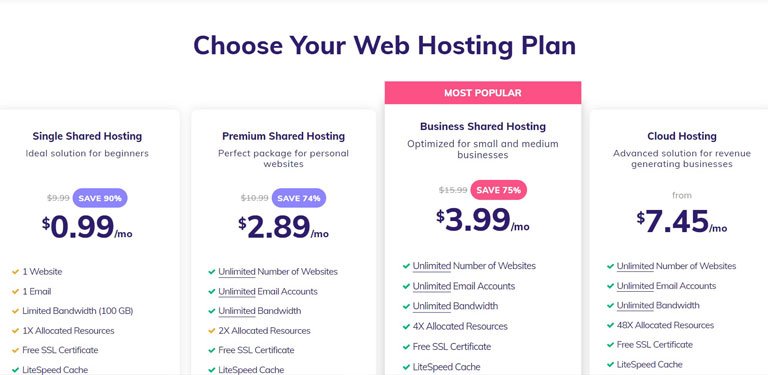
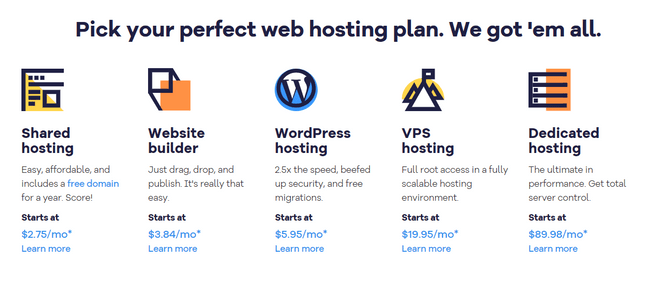
Shared hosting is a type of web hosting where multiple websites are hosted on a single server. In this setup, the resources of the server are shared among various websites. This is a popular hosting solution for beginners or small businesses who are just starting out and don’t require a large amount of resources.
Features of Shared Hosting
- Cost-effective: Shared hosting is an affordable option as the cost of the server is divided among multiple users.
- Easy to use: Shared hosting is user-friendly and does not require technical expertise to set up and manage.
- Pre-configured server: The server is already set up and pre-configured by the hosting provider, making it hassle-free for users.
- Control panel: Shared hosting plans usually come with a control panel that allows users to manage their websites, email accounts, databases, and other settings.
- Limited resources: Since resources are shared among multiple websites, there may be limitations on disk space, bandwidth, and processing power.
Advantages of Shared Hosting
- Cost-effective: Shared hosting is a budget-friendly option, especially for small websites or those with low traffic.
- Easy setup: Shared hosting plans come with pre-configured servers, making it easy to set up and launch a website.
- Technical maintenance: The hosting provider takes care of server maintenance, security updates, and backups, allowing users to focus on their websites.
- Suitable for beginners: Shared hosting is a great option for beginners who are not familiar with server management, as it requires minimal technical knowledge.
- Customer support: Most shared hosting providers offer 24/7 customer support to assist users with any issues or questions they may have.
Disadvantages of Shared Hosting
- Limited resources: Since resources are shared among multiple websites, there may be limitations on disk space, bandwidth, and processing power. This can lead to slower website performance if other websites on the same server experience high traffic.
- Security vulnerabilities: The shared server environment makes it more susceptible to security breaches. If one website on the server gets compromised, it can potentially affect the other websites hosted on the same server.
- Lack of control: Users have limited control over server settings and configurations, as these are managed by the hosting provider. Customizations may be restricted, limiting the flexibility of the website.
Cloud Hosting
Cloud hosting is a type of web hosting that utilizes virtual servers to host websites. Instead of relying on a single physical server, cloud hosting distributes the resources across multiple interconnected servers, forming a cloud infrastructure. This allows for better scalability, reliability, and performance.
Features of Cloud Hosting
- Scalability: Cloud hosting offers the ability to easily scale resources up or down based on website requirements. This ensures that the website can handle increased traffic or spikes in demand without any performance issues.
- High reliability: Cloud hosting utilizes multiple servers, which reduces the risk of downtime. If one server fails, other servers in the cloud can quickly take over, ensuring that the website remains accessible.
- Redundancy: Data is replicated across multiple servers in the cloud, providing redundancy and protecting against data loss.
- Flexibility: Cloud hosting allows users to customize server configurations and resources according to their specific needs.
- Pay-as-you-go pricing: Many cloud hosting providers offer a pay-as-you-go pricing model, where users only pay for the resources they actually use.
Advantages of Cloud Hosting
- Scalability: With cloud hosting, you have the flexibility to scale resources as your website grows. This ensures that your website can handle increased traffic without any performance issues.
- Reliability: Cloud hosting is known for its high reliability and uptime. The distributed nature of cloud infrastructure reduces the risk of downtime.
- Performance: Cloud hosting can provide excellent performance due to the availability of resources from multiple servers. This can result in faster loading times and a smoother user experience.
- Cost-efficient: Pay-as-you-go pricing models allow you to only pay for the resources you use, making cloud hosting a cost-efficient option for websites with fluctuating traffic.
Disadvantages of Cloud Hosting
- Technical expertise required: Setting up and managing a cloud hosting environment may require technical knowledge or expertise. This can be a challenge for beginners or those without a technical background.
- Cost: While cloud hosting can be cost-efficient for websites with fluctuating traffic, it may not be the most budget-friendly option for small websites or those with consistent low traffic.
- Reliance on internet connectivity: Cloud hosting relies on internet connectivity, so any issues with the internet can potentially affect the accessibility of the website.
VPS Hosting
VPS (Virtual Private Server) hosting is a type of web hosting where a physical server is divided into multiple virtual servers. Each virtual server is isolated and functions as an independent server, giving users full control over their virtualized environment.
Features of VPS Hosting
- Dedicated resources: Each virtual server in a VPS hosting environment has dedicated resources, including CPU, RAM, storage, and bandwidth.
- Full root access: Users have full administrative access to their virtual servers, allowing them to customize server settings and install their preferred software.
- Scalability: VPS hosting allows users to easily upgrade or downgrade their resources based on their website requirements.
- Security: Virtualization provides an added layer of security, as each virtual server is isolated and cannot be affected by other websites or users on the same physical server.
Advantages of VPS Hosting
- Dedicated resources: VPS hosting provides dedicated resources, ensuring that your website performance is not affected by other websites on the same server.
- Customizability: With full root access, you have complete control over your server settings and configurations. This allows for greater customization and flexibility.
- Scalability: VPS hosting allows you to scale your resources based on your website’s needs. This flexibility ensures that your website can handle increased traffic or resource-intensive applications.
- Enhanced security: Virtualization provides an added layer of security, as each virtual server is isolated from others on the same physical server. This reduces the risk of security breaches or performance issues caused by other websites.
Disadvantages of VPS Hosting
- Technical knowledge required: VPS hosting requires a certain level of technical knowledge to set up and manage the virtual server environment. Beginners or those without technical expertise may find it challenging.
- Cost: VPS hosting tends to be more expensive than shared hosting, as you are paying for dedicated resources. This may not be the most budget-friendly option for small websites with low traffic.
- Server management: While you have control over your virtual server, you are still responsible for managing and maintaining it. This includes installing updates, ensuring security, and monitoring performance.
WordPress Hosting
WordPress hosting is specifically optimized for websites built on the WordPress content management system (CMS). It is designed to provide a seamless and optimized experience for WordPress users, with features and tools tailored to the platform.
Features of WordPress Hosting
- WordPress pre-installed: WordPress hosting plans come with WordPress pre-installed, saving users the hassle of manual installation.
- Automatic updates: WordPress hosting providers often handle updates to the WordPress core, themes, and plugins, ensuring that websites are running on the latest versions.
- Enhanced security: WordPress hosting typically includes additional security measures to protect websites from malware and hacking attempts.
- Optimized performance: WordPress hosting environments are optimized for WordPress, ensuring fast loading times and smooth performance.
- WordPress-specific support: WordPress hosting providers often have specialized support teams that are knowledgeable about the platform and can assist with WordPress-related issues.
Advantages of WordPress Hosting
- Optimized performance: WordPress hosting environments are specifically designed to provide optimal performance for WordPress websites. This includes fast loading times, improved caching, and server-level optimizations.
- Enhanced security: WordPress hosting providers often include additional security measures to protect websites from common WordPress vulnerabilities. This can provide peace of mind for website owners.
- Automatic updates: WordPress hosting takes care of the updates to the WordPress core, themes, and plugins, ensuring that websites are always running on the latest versions.
- Expert support: WordPress hosting providers typically have support teams that are well-versed in the WordPress platform. They can provide specialized assistance in troubleshooting WordPress-related issues.
- Easy to use: WordPress hosting plans are user-friendly and often come with intuitive control panels that make managing a WordPress website easy, even for beginners.
Disadvantages of WordPress Hosting
- Limited to WordPress websites: WordPress hosting plans are specifically tailored to WordPress websites. If you are using a different CMS or have a custom-built website, a dedicated hosting solution may be more suitable.
- Cost: WordPress hosting plans may be more expensive compared to shared hosting plans, as they offer specialized features and optimizations for WordPress.
- Limited control: WordPress hosting plans may have limitations on server customizations and configurations. This may restrict the flexibility of your website if you require advanced technical customizations.
This image is property of leoticsconsulting.com.
Email Hosting
Email hosting is a service that allows users to create and manage custom email accounts using their own domain name. It provides professional email addresses for businesses and individuals, along with features such as spam filtering, email forwarding, and mailbox storage.
Features of Email Hosting
- Custom email addresses: Email hosting allows users to create email accounts using their own domain name, giving a professional image to their communications.
- Mailbox storage: Email hosting plans often include generous storage space for email messages and attachments.
- Spam filtering: Email hosting providers typically include spam filtering mechanisms to protect users from unwanted and malicious emails.
- Email forwarding: Users can forward emails from one email address to another, allowing them to consolidate their email accounts.
- Webmail access: Email hosting often provides web-based access to email accounts, allowing users to access their emails from anywhere with an internet connection.
Advantages of Email Hosting
- Professional image: Using a custom email address with your own domain name adds a professional touch to your communications, especially for businesses.
- Customization: Email hosting allows you to create email accounts using your own domain name, giving you control over your email addresses and branding.
- Dedicated resources: With email hosting, your email resources (storage, bandwidth) are separate from your website resources, ensuring that email activities do not affect website performance.
- Spam protection: Email hosting includes built-in spam filtering mechanisms to protect users from unwanted and malicious emails, reducing the risk of security breaches or data loss.
Disadvantages of Email Hosting
- Cost: Email hosting may have additional costs, especially if you require multiple email accounts or additional storage space.
- Separation of hosting services: Email hosting is separate from web hosting, which means you may need to manage and pay for two separate services.
- Technical setup: Setting up email hosting and configuring email clients may require some technical knowledge or assistance.
E-commerce Hosting
E-commerce hosting is specifically designed for online stores and websites that require robust features and capabilities to facilitate online transactions. It includes the necessary infrastructure and tools to support e-commerce activities, such as secure payment gateways, shopping carts, and SSL certificates.
Features of E-commerce Hosting
- Secure payment gateways: E-commerce hosting ensures that your customers can securely make online payments through trusted payment gateways.
- Shopping cart functionality: E-commerce hosting plans often include shopping cart software that enables customers to add products to a virtual cart and proceed to checkout.
- SSL certificates: E-commerce hosting provides SSL (Secure Socket Layer) certificates to encrypt sensitive customer data, ensuring secure online transactions.
- Scalability: E-commerce hosting allows for easy scaling of resources to accommodate increased traffic and demand during peak sales periods.
- Inventory management: E-commerce hosting plans may include features for managing product catalogs, inventory levels, and order fulfillment.
Advantages of E-commerce Hosting
- E-commerce-specific features: E-commerce hosting provides specialized features and tools that are essential for running an online store. This includes secure payment gateways, shopping carts, and SSL certificates.
- Scalability: E-commerce hosting allows you to easily scale your resources to accommodate increased traffic and demand during peak sales periods.
- Enhanced security: E-commerce hosting ensures that your customers’ sensitive data, such as credit card information, is encrypted and protected.
- Expert support: E-commerce hosting providers often have support teams with expertise in online retail and can assist with any e-commerce-related issues or questions.
Disadvantages of E-commerce Hosting
- Cost: E-commerce hosting plans may be more expensive compared to other hosting options due to the specialized features and infrastructure required for online transactions.
- Technical complexity: Running an online store requires technical knowledge and familiarity with e-commerce platforms and tools. Beginners or those without experience may find it challenging to set up and manage an e-commerce website.
- Maintenance and updates: E-commerce websites often require regular updates and maintenance for features such as inventory management and payment gateways. This ongoing maintenance can be time-consuming.
This image is property of www.01net.com.
Website Builder
A website builder is a platform or tool that allows users to create and customize websites without the need for coding or technical skills. It provides a user-friendly interface with drag-and-drop functionality, pre-designed templates, and various customization options.
Features of Website Builder
- Easy-to-use interface: Website builders are designed to be user-friendly, allowing even beginners to create websites without coding or technical knowledge.
- Drag-and-drop functionality: Website builders often offer a visual interface with drag-and-drop functionality, making it easy to add and rearrange elements on the website.
- Pre-designed templates: Website builders come with a library of pre-designed templates that users can customize to match their branding and website requirements.
- Customization options: Website builders provide various customization options, such as fonts, colors, layouts, and images, allowing users to create a unique website.
- Responsive design: Website builders ensure that websites created are mobile-friendly and responsive, optimizing the user experience across different devices.
Advantages of Website Builder
- User-friendly: Website builders are designed to be easy to use, allowing users with no coding or technical skills to create professional-looking websites.
- Cost-effective: Website builders often offer affordable pricing plans, making them a budget-friendly option for small businesses or individuals.
- Quick setup: With pre-designed templates and drag-and-drop functionality, website builders allow for quick setup and launch of websites.
- Customization: Website builders provide various customization options, allowing users to create unique websites that match their branding and requirements.
- Responsive design: Website builders ensure that websites created are mobile-friendly and responsive, providing a seamless user experience across different devices.
Disadvantages of Website Builder
- Limited flexibility: While website builders provide customization options, they may have limitations on advanced technical customizations or features. This can be limiting for users who require specific functionalities.
- Less control over backend: Website builders typically handle the backend infrastructure and maintenance, which means users have less control over server settings or technical aspects of the website.
- Template-based design: Websites created with a website builder may have a similar look and feel to other websites using the same templates. This can result in less uniqueness or originality.
Reseller Hosting
Reseller hosting is a type of web hosting where users can resell hosting services to their clients. It allows individuals or businesses to become hosting providers themselves, without the need for managing or maintaining the physical infrastructure.
Features of Reseller Hosting
- White-label branding: Reseller hosting allows users to brand the hosting services as their own, with their own logo, business name, and pricing.
- Resource allocation: Reseller hosting plans typically provide a certain amount of resources, such as disk space and bandwidth, which can be allocated to individual client accounts.
- Control panel: Reseller hosting plans come with a control panel that allows users to manage and monitor their client accounts, including creating, suspending, or modifying hosting packages.
- Support: Reseller hosting providers often offer support to assist resellers with any technical issues or questions they may have.
- Billing and invoicing: Reseller hosting plans may include features for billing and invoicing clients, automating the process of collecting payments.
Advantages of Reseller Hosting
- Additional revenue stream: Reseller hosting allows individuals or businesses to generate additional revenue by reselling hosting services to their clients.
- White-label branding: Reseller hosting plans allow users to brand the hosting services as their own, creating a professional image for their hosting business.
- Limited technical maintenance: Reseller hosting providers handle the server maintenance, security updates, and backups, allowing resellers to focus on their clients and growing their business.
- Flexibility and control: Reseller hosting gives users control over their hosting packages and pricing, allowing them to customize their offerings based on their target market and business goals.
- Support: Reseller hosting providers offer support to assist resellers with any technical issues or questions they may have, ensuring a smooth hosting experience for their clients.
Disadvantages of Reseller Hosting
- Technical knowledge required: Reseller hosting requires a certain level of technical knowledge to manage and support client accounts. This may be challenging for beginners or those without a technical background.
- Customer support responsibility: As a reseller, you are responsible for providing support to your clients. This includes handling technical issues, responding to inquiries, and resolving any hosting-related concerns.
- Potential competition: Reseller hosting often means being in a competitive market, as there are many other resellers offering similar hosting services. Differentiating your offerings and attracting clients may require additional marketing efforts.
This image is property of images.websitebuilderexpert.com.
Dedicated Server Hosting
Dedicated server hosting is a type of web hosting where an entire physical server is dedicated to a single user or website. This provides the highest level of control, performance, and security.
Features of Dedicated Server Hosting
- Exclusive resources: With dedicated server hosting, all server resources are dedicated to a single user or website, ensuring optimal performance.
- Full root access: Dedicated server hosting grants users full administrative access to their server, allowing them to customize server settings and install their preferred software.
- Custom configurations: Dedicated server hosting allows users to customize server configurations based on their specific needs, including hardware, software, and network setup.
- High security: Dedicated servers provide enhanced security, as users have full control over server access and can implement their desired security measures.
- Scalability: Dedicated server hosting allows for easy scalability, with the ability to upgrade resources as the website grows.
Advantages of Dedicated Server Hosting
- Performance: Dedicated server hosting provides the highest level of performance, as all server resources are exclusive to a single user or website. This ensures fast loading times, reliable uptime, and smooth website operation.
- Control and customization: Dedicated server hosting grants users full control over server configurations, allowing for custom setups and installations. This level of control is beneficial for websites with specific technical requirements.
- Enhanced security: Dedicated server hosting provides a high level of security, as users have full control over server access and can implement their desired security measures. This is ideal for websites that handle sensitive data or require strong security measures.
- Scalability: Dedicated server hosting allows for easy resource scalability, ensuring that the server can handle increased traffic or resource-intensive applications as the website grows.
- Full support: Dedicated server hosting often includes comprehensive support services, including 24/7 monitoring, hardware maintenance, and technical assistance.
Disadvantages of Dedicated Server Hosting
- Cost: Dedicated server hosting tends to be more expensive compared to other hosting options, as users are paying for exclusive use of the entire server.
- Technical expertise required: Dedicated server hosting requires a certain level of technical knowledge to set up, manage, and maintain the server environment. Beginners or those without technical expertise may find it challenging.
- Maintenance responsibility: With dedicated server hosting, users are responsible for server maintenance tasks such as updates, security, backups, and monitoring. This requires time, effort, and technical knowledge.
Conclusion
When it comes to choosing the best hosting plan for your website, there are several factors to consider. It depends on the specific needs and requirements of your website, as well as your technical expertise and budget.
For beginners or small websites with low traffic, shared hosting is a cost-effective option that provides ease of use and hassle-free setup. If you require more scalability and resource flexibility, cloud hosting can be a great choice.
VPS hosting offers dedicated resources and more control over server settings, making it suitable for websites that require customizations and technical configurations.
WordPress hosting is optimized for websites built on the WordPress CMS, providing enhanced performance, security, and expert support specifically tailored for WordPress users.
Email hosting provides professional email addresses using your own domain name, with additional features such as spam filtering and email forwarding.
E-commerce hosting is designed for online stores, with specialized features for secure payment processing, shopping carts, and SSL certificates.
Website builders are user-friendly platforms that allow you to create websites without coding or technical skills. They offer templates, customization options, and responsive design.
Reseller hosting allows individuals or businesses to become hosting providers themselves, offering hosting services to their clients with white-label branding and control over pricing.
Dedicated server hosting provides the highest level of control, performance, and security, making it suitable for websites with specific technical requirements and high traffic.
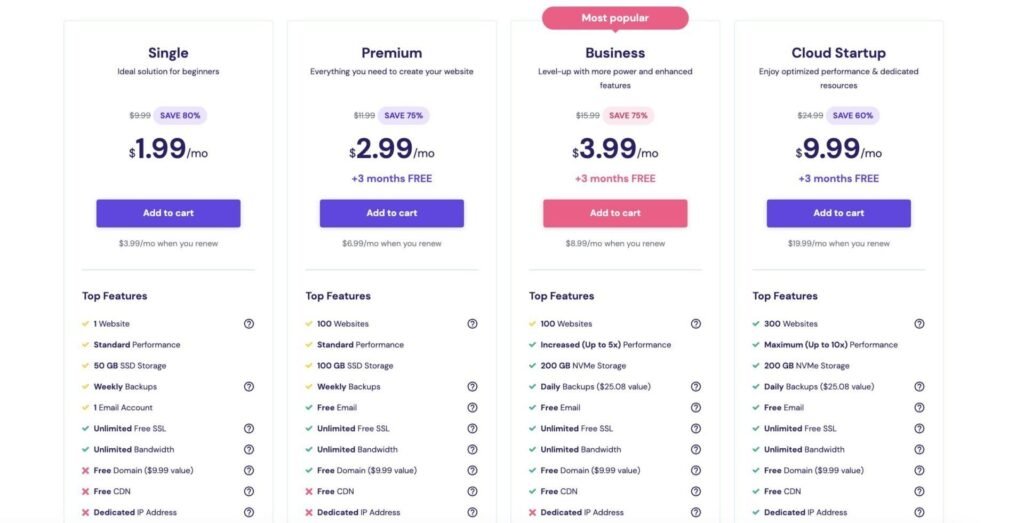
Hostinger offers a variety of hosting plans to cater to different types of websites and requirements. Their shared hosting plans are affordable and easy to use, making them a great choice for beginners or small websites. Their cloud hosting and VPS hosting plans provide scalability and flexibility for websites that require more resources. For WordPress websites, Hostinger offers specialized WordPress hosting with optimized performance and expert support.
When choosing a hosting plan, consider factors such as the scale of your website, expected traffic, technical requirements, and budget. Hostinger’s wide range of hosting options ensures that you can find the plan that best suits your needs and provides the optimal hosting experience for your website.