Hey there! Are you a website owner trying to figure out the best hosting option for your needs? Well, you’ve come to the right place! Today, we’re going to dive into the world of Hostinger VPS hosting and how it differs from shared hosting.
Now, you might be wondering, what’s the big deal? Why should I even consider upgrading? Don’t worry, we’ll cover all of that in this article. We’ll explore the key differences between VPS hosting and shared hosting, the benefits of VPS hosting, and when it makes sense for you to make the switch. So, if you’re tired of slow loading times, limited resources, and want to take your website to the next level, keep reading! You’re about to learn everything you need to know about Hostinger VPS hosting and when it’s the right choice for you.

This image is property of i.ytimg.com.

Introduction
Choosing the right hosting for your website is a crucial decision. It can greatly impact your website’s performance, security, and overall user experience. Hostinger, a well-known web hosting provider, offers different types of hosting services to cater to different website needs. In this article, we will explore the differences between Hostinger’s VPS hosting and shared hosting, and discuss when it is appropriate to consider upgrading to VPS hosting.
Types of Hosting
Shared Hosting
Shared hosting is the most common and affordable type of hosting. In shared hosting, multiple websites are hosted on a single server, sharing its resources such as disk space, bandwidth, and processing power. This makes it a cost-effective option for small businesses or individuals with limited budgets.
VPS Hosting
VPS hosting, short for Virtual Private Server hosting, is a more advanced and flexible hosting option. In VPS hosting, your website is still hosted on a shared server, but it operates as if it is on a dedicated server. Each user is allocated virtual resources that are dedicated solely to their website, providing better performance and scalability.

Shared Hosting
Definition
Shared hosting refers to the hosting environment where multiple websites are hosted on the same server, sharing its resources. Hostinger’s shared hosting plans are designed to provide an affordable and easy-to-use hosting solution for individuals and small businesses.
Features
Hostinger’s shared hosting plans offer a range of features, including:
- 24/7 customer support via live chat
- Easy-to-use control panel for website management
- Sufficient disk space and bandwidth for most small to medium-sized websites
- One-click installation of popular CMS platforms like WordPress
- Free SSL certificate and domain name registration
- Regular backups to ensure data protection
- Email accounts and spam filters
Pros and Cons
Shared hosting has its advantages and disadvantages. Some of the pros of shared hosting include:
- Affordable pricing
- Easy setup and management
- Suitable for small to medium-sized websites with moderate traffic
- Technical maintenance and server management are handled by the hosting provider
However, shared hosting also has its limitations:
- Limited resources due to sharing with other websites
- Performance can be affected by other websites on the same server
- Less control over server settings and configurations
- Not suitable for resource-intensive websites or websites with high traffic
VPS Hosting
Definition
VPS hosting is a more advanced hosting option that provides better performance and flexibility compared to shared hosting. With VPS hosting, your website is still hosted on a shared server, but it operates as if it is on a dedicated server.
Features
Hostinger’s VPS hosting plans offer a range of features, including:
- Dedicated resources allocated solely to your website
- Full root access for complete control over server settings and configurations
- Scalable resources to handle increased traffic and website growth
- Enhanced security measures to protect your website from potential threats
- Ability to install custom software and applications
- Choice of different operating systems and server locations
Pros and Cons
VPS hosting offers several advantages over shared hosting, including:
- Better performance and faster loading times due to dedicated resources
- Increased scalability and flexibility to handle website growth
- Enhanced security measures for better protection against potential threats
- Full control over server settings and configurations
However, there are also some considerations when it comes to VPS hosting:
- Higher pricing compared to shared hosting
- Requires technical knowledge for server management
- Responsibility for server maintenance and updates lies with the user
This image is property of images.websitebuilderexpert.com.

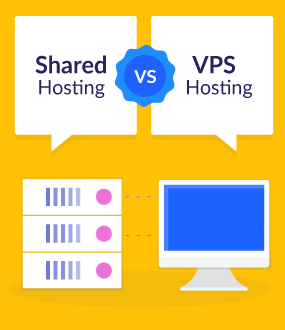
Differences Between Shared Hosting and VPS Hosting
Now, let’s dive into the key differences between shared hosting and VPS hosting offered by Hostinger.
Resource Allocation
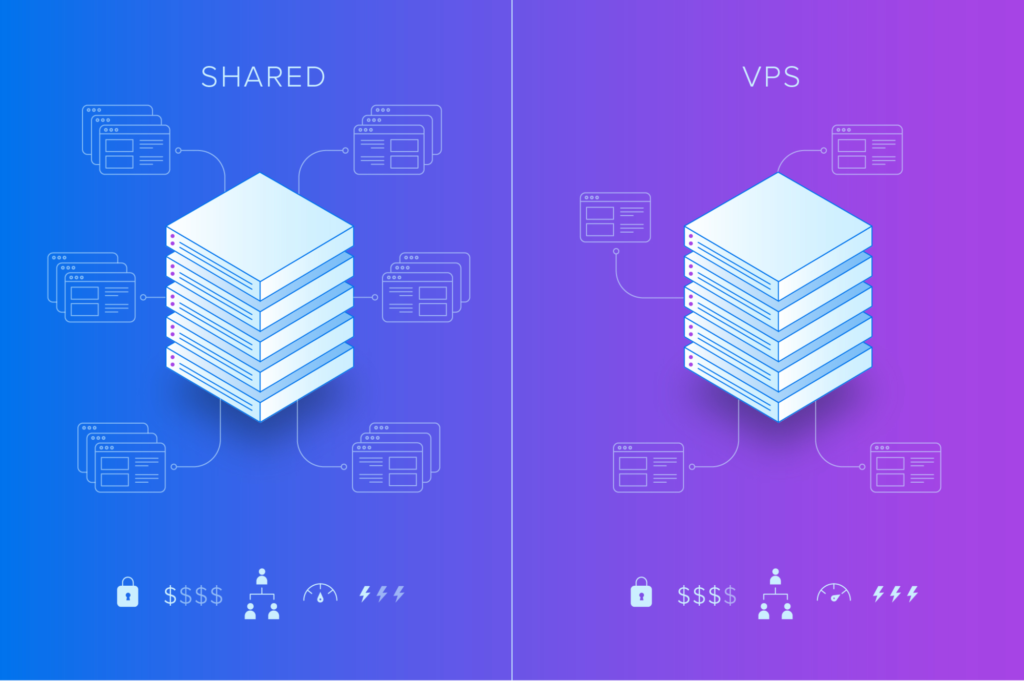
In shared hosting, resources such as disk space, bandwidth, and processing power are shared among all the websites hosted on the server. This can result in reduced performance if other websites on the server experience high traffic or resource utilization.
On the other hand, VPS hosting provides dedicated resources solely allocated to your website. This means that your website’s performance is not influenced by other websites on the server, ensuring better stability and reliability.
Performance
Due to shared resources, shared hosting may experience slower loading times and delays during peak traffic periods. While Hostinger optimizes its shared hosting servers to provide satisfactory performance, the sharing nature of the hosting environment limits the potential for high-performance websites.
VPS hosting, on the other hand, offers better performance and faster loading times. With dedicated resources, your website can handle higher traffic volumes and resource-intensive applications more effectively.
Security
Shared hosting poses some security risks as multiple websites are hosted on the same server. If one website on the server is compromised, it can potentially affect other websites as well. Hostinger implements security measures to mitigate these risks, such as server-level firewalls and regular security updates.
VPS hosting, on the other hand, provides enhanced security measures and isolation. Since each user has their own virtual server environment, the actions or vulnerabilities of other users on the server do not impact your website’s security. You have more control over security configurations and can take additional measures to protect your website.
Cost
Shared hosting plans are more affordable compared to VPS hosting plans. This is mainly because the resources and server maintenance costs are shared among multiple websites on the server. Shared hosting is a cost-effective option for individuals or small businesses starting their online presence.
VPS hosting, being a more advanced hosting option, comes with a higher price tag. This is due to the allocation of dedicated resources and the flexibility it offers. VPS hosting is suitable for websites with higher traffic volumes, resource-intensive applications, or websites that require more control and customization options.
When to Consider Upgrading to VPS Hosting
While shared hosting may be sufficient for many websites, there are certain scenarios where upgrading to VPS hosting would be beneficial:
Increased Website Traffic
If your website experiences a significant increase in traffic, shared hosting may struggle to handle the increased resource demands. Upgrading to VPS hosting provides dedicated resources that can accommodate higher traffic volumes without negatively impacting performance.
Need for Full Server Control
Shared hosting restricts access to server configurations and settings, which may limit your ability to customize and optimize your website’s performance. If you require full control over server settings, such as installing custom software or making specific configurations, VPS hosting is the right choice.
Resource-Intensive Websites
Resource-intensive websites, such as e-commerce platforms or websites with complex applications, require more server resources to operate smoothly. Shared hosting may not provide sufficient resources, leading to slower performance and potential downtime. Upgrading to VPS hosting ensures that your website has the required resources to handle resource-intensive tasks efficiently.
This image is property of www.dreamhost.com.
Benefits of Upgrading to VPS Hosting
Now, let’s explore the benefits you can expect when upgrading to VPS hosting:
Enhanced Performance and Reliability
With dedicated resources, VPS hosting offers better website performance, faster loading times, and improved reliability. The resources allocated to your website are not shared with other users, ensuring consistent performance regardless of other websites’ activities on the server.
Full Server Control
VPS hosting provides full root access, allowing you to have complete control over server settings and configurations. This level of control enables you to optimize your website’s performance, install custom software, and make necessary adjustments according to your requirements.
Ability to Handle Large Traffic
VPS hosting’s scalability and dedicated resources make it suitable for websites that experience high traffic volumes. It ensures that your website can handle increased traffic without compromising performance or facing downtime issues.
Conclusion
Choosing the right hosting option for your website is essential for its success. Hostinger offers shared hosting and VPS hosting, catering to different website needs and budgets. When considering which hosting option is right for you, evaluate your website’s needs, consider the pros and cons of shared hosting and VPS hosting, and make an informed decision based on your specific requirements. If your website experiences increased traffic, requires more control over server settings, or operates resource-intensive applications, upgrading to VPS hosting may be the ideal choice.